
The Infinite Canvas of Human Creativity
How Painting, Sculpture, and Digital Art Define the Spirit of Our Time.
Art as Humanity’s First Language
Long before alphabets and written words, art was humanity’s earliest form of communication. The handprints on cave walls, the carvings on stone tools, and the painted animals across ancient caves were all attempts to say something lasting, to connect with others through symbols and vision. Art functioned not only as decoration but as narrative, spiritual practice, and communal memory. In these early gestures we can already see the essence of artistry: the desire to express what words cannot fully contain. Over centuries, painting and sculpture expanded this impulse into disciplines that shaped entire cultures. Digital art, the newest frontier, continues this tradition in fresh ways, proving that art remains the most fundamental language of human identity.
Painting as a Window into Inner and Outer Worlds
Painting has always held a unique position as both representation and revelation. In Renaissance frescoes, painting sought to capture divine order through perspective and balance. In Impressionist works, brushstrokes revealed fleeting sensations of light and atmosphere, privileging perception over exact replication. Abstract expressionists used color and gesture to project emotion directly onto canvas, making the act of painting itself part of the final image. Across these movements, painting has been a mirror and a window: a mirror of the artist’s inner state and a window into the cultural and historical contexts of their time. Every painting invites the viewer not just to see but to feel, to enter into dialogue with pigment, form, and vision.
Sculpture and the Presence of Form
Where painting commands space with illusion, sculpture occupies space with physical presence. From ancient Greek statues embodying idealized human form to modern installations constructed of steel, glass, or recycled objects, sculpture insists on materiality. To walk around a sculpture is to encounter art with one’s own body, engaging sight, touch, and motion. Sculpture reshapes environments, transforming empty spaces into places charged with meaning. Classical traditions celebrated balance and proportion, while modern and contemporary sculptors often disrupt those conventions, challenging viewers with fragmented forms or ephemeral materials. Sculpture remains central because it reminds us that art is not only seen but also felt through scale, texture, and interaction.
Digital Art and the Age of Innovation
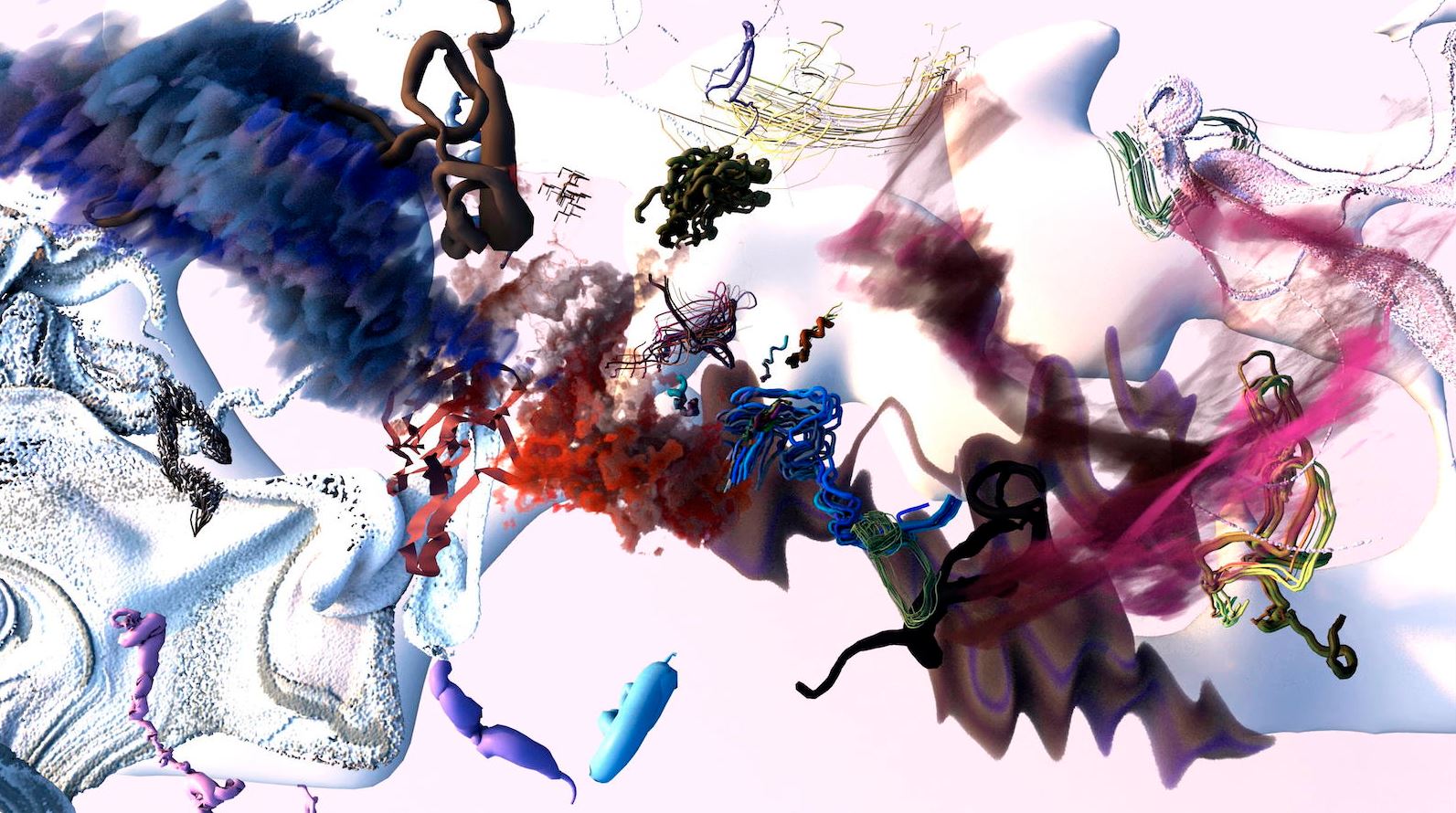
In the digital era, art has entered a new dimension of possibility. Digital art spans photography manipulation, 3D modeling, generative design, and immersive virtual reality environments. Unlike traditional mediums, digital art is infinitely reproducible and can exist across platforms, reaching global audiences instantly. Artists now experiment with algorithms, artificial intelligence, and interactive technologies, blending code with creativity. Digital canvases allow for dynamic, evolving artworks that respond to viewers in real time. Some critics question whether digital art holds the same authenticity as traditional forms, but its ability to democratize creation and distribution proves its cultural significance. Digital art is not a replacement for older traditions but an expansion, opening new ways to imagine and to share imagination.
The Interplay Between Tradition and Innovation
The power of contemporary art lies in its ability to honor tradition while embracing innovation. Painters continue to study classical techniques while pushing boundaries through new pigments and experimental canvases. Sculptors explore ancient forms of stone carving alongside industrial methods and conceptual installations. Digital artists often draw inspiration from centuries of artistic history, reinterpreting Renaissance or Baroque motifs within modern technologies. The conversation between past and present ensures that art never stagnates. It grows richer when traditions are revisited and reinvented, creating a continuum where the old and the new exist side by side, each expanding the other’s possibilities.
Art as a Reflection of Society
Art, in all its forms, is inseparable from the society that produces it. Paintings have served as political propaganda and as radical critique. Sculptures have embodied ideals of beauty and power, but also voiced dissent through unconventional forms. Digital art captures the rapid pace of contemporary life, addressing issues such as surveillance, consumerism, and identity in the digital age. Each work of art becomes both a product and a commentary, showing us who we are and challenging us to consider who we might become. Art is not neutral. It is a cultural force, shaping and reflecting the collective consciousness of humanity.
The Universality and Intimacy of Artistic Experience
What makes art so enduring is its ability to be both universal and deeply personal. A painting in a museum may draw millions of visitors, yet each viewer experiences it uniquely. A sculpture in a public square becomes part of communal identity, yet individuals may attach private memories to it. Digital art may circulate globally in seconds, but it can spark intimate reactions in the privacy of a screen. Art works on multiple levels at once, uniting communities while also speaking to solitary viewers. Its universality lies in its accessibility, and its intimacy lies in its capacity to touch individuals in unrepeatable ways.
The Future of Art in an Expanding World
As technology and culture evolve, so too will the forms of art. Augmented reality exhibitions, virtual galleries, and AI-generated works are already pushing the boundaries of what art can be. Yet the essence remains unchanged: the impulse to create, to express, to connect. Future art will not erase the traditions of painting and sculpture but will incorporate them into broader and more hybrid practices. Museums and online platforms alike will coexist, offering spaces where human creativity is both preserved and reinvented. What the future ensures is that art will remain a fundamental expression of human life, adapting endlessly to new contexts while retaining its timeless role as humanity’s mirror and dream.
Art as Humanity’s Enduring Expression
Painting, sculpture, and digital art represent not isolated practices but interconnected expressions of the same human drive. Together, they reveal our longing for permanence and our acceptance of change, our reverence for tradition and our hunger for innovation. Art is humanity’s most enduring language, capable of speaking across centuries and across cultures. It captures the invisible emotions, beliefs, dreams, and renders them visible. In doing so, it keeps us connected to one another, reminding us that to create is to be human, and to encounter art is to participate in that unending dialogue.