
The Transformative Power of Art Exhibitions
How Galleries, Museums, and Digital Spaces Shape the Way We Experience Creativity.
Exhibitions as Cultural Stages
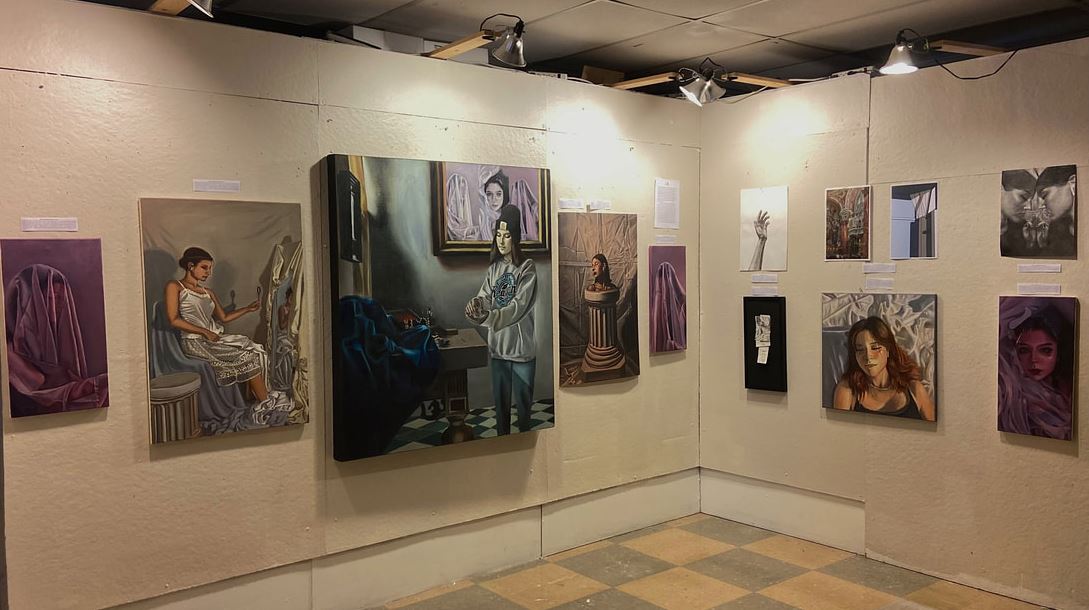
Exhibitions are more than gatherings of artworks. They are cultural stages where ideas, histories, and emotions meet audiences in shared spaces of discovery. From the earliest salons of Europe to today’s international biennales, exhibitions have functioned as both mirrors of society and engines of change. They bring together diverse voices, presenting not only the finished works of painting, sculpture, and digital art but also the stories, contexts, and debates that surround them. Exhibitions are where private acts of creation meet public acts of reception, transforming isolated artworks into part of a larger cultural dialogue. By curating works into thematic or chronological narratives, exhibitions shape how art is interpreted and remembered, turning individual pieces into part of collective experience.
The Evolution of Exhibitions Through History
The history of exhibitions reflects the shifting values of art and society. In the Renaissance, art was often displayed in churches and courts, intended to inspire devotion or proclaim power. The seventeenth and eighteenth centuries introduced the public salon, where works were judged, debated, and ranked, laying the foundation for the modern art market. The nineteenth century saw the rise of world fairs, where industrial innovation and art were presented side by side as symbols of progress. The twentieth century brought avant-garde exhibitions that broke rules, introducing movements like Cubism, Surrealism, and Abstract Expressionism. Today, exhibitions occur in multiple forms, from traditional museum halls to street art festivals and digital galleries. Each reflects the cultural moment in which it emerges, making exhibitions not just displays of art but living records of history.
Exhibitions as Spaces of Encounter
The power of an exhibition lies in its ability to create encounters. Unlike books or films, which are consumed individually, exhibitions are inherently communal. Visitors move through shared spaces, experiencing art in the company of others, often engaging in spontaneous conversations or reflections. The arrangement of artworks within a space guides movement and perception, encouraging visitors to see connections they might not have noticed in isolation. For instance, a painting hung next to a sculpture may highlight themes of form or color that neither conveys alone. Exhibitions thus become choreographies of vision and movement, where architecture, lighting, and curation all play roles in shaping experience. They are not neutral spaces but carefully designed dialogues between artist, curator, and audience.
The Rise of Digital and Hybrid Exhibitions
The digital age has revolutionized how exhibitions are created and experienced. Virtual galleries allow global audiences to explore collections without geographic or financial barriers. Museums offer online tours that replicate the physical experience while adding layers of interactivity, such as close-up details or archival materials. Hybrid exhibitions combine physical and digital elements, using augmented reality to layer information or extend works into new dimensions. For example, a sculpture in a gallery may be paired with an app that reveals animations or soundscapes when viewed through a phone. These innovations expand accessibility while reimagining the possibilities of storytelling. They remind us that exhibitions are not fixed formats but evolving practices that adapt to new technologies and cultural needs.
Exhibitions as Engines of Dialogue and Change
Exhibitions do more than showcase art. They provoke dialogue and often spark cultural transformation. A retrospective can reframe the legacy of an artist, while a thematic exhibition may draw attention to pressing issues such as climate change, migration, or social justice. By presenting art in a collective context, exhibitions create opportunities for conversation among audiences who might not otherwise encounter each other. They invite debate, inspire activism, and often challenge institutions to rethink their roles. Exhibitions serve as reminders that art is not only about beauty or aesthetics but about engaging with the world. They amplify voices, create visibility for marginalized communities, and encourage audiences to reflect on their own positions within broader social narratives.
The Future of Exhibitions in a Global World
As art becomes increasingly global, exhibitions face the challenge of balancing local traditions with international dialogue. Biennales and fairs attract artists and audiences from around the world, creating spaces where cultures intersect and influence each other. Yet smaller, community-based exhibitions remain equally vital, preserving local voices and offering intimacy that large-scale events often lack. The future will likely see greater hybridity, where exhibitions combine physical presence with digital reach, ensuring accessibility while maintaining the irreplaceable power of encountering art in person. As climate concerns grow, sustainable practices in exhibition design will also shape how institutions mount shows, ensuring that cultural exchange continues without unnecessary harm to the environment.
Exhibitions as Living Conversations
Exhibitions are living conversations between artists, curators, and audiences. They provide platforms where creativity meets interpretation, where private vision becomes public dialogue. Whether housed in grand museums, open streets, or digital worlds, exhibitions embody the essence of art: connection, reflection, and transformation. They remind us that art is not a solitary pursuit but a communal experience, one that gains meaning when shared. In every exhibition, the act of seeing becomes an act of participating, weaving individual impressions into collective memory. As long as humanity seeks to create and to understand, exhibitions will remain at the heart of artistic life, shaping how we see ourselves and the world around us.