
The Expanding Universe of Digital Art
How Technology, Imagination, and Innovation Redefine Creativity.
The Birth of a New Medium
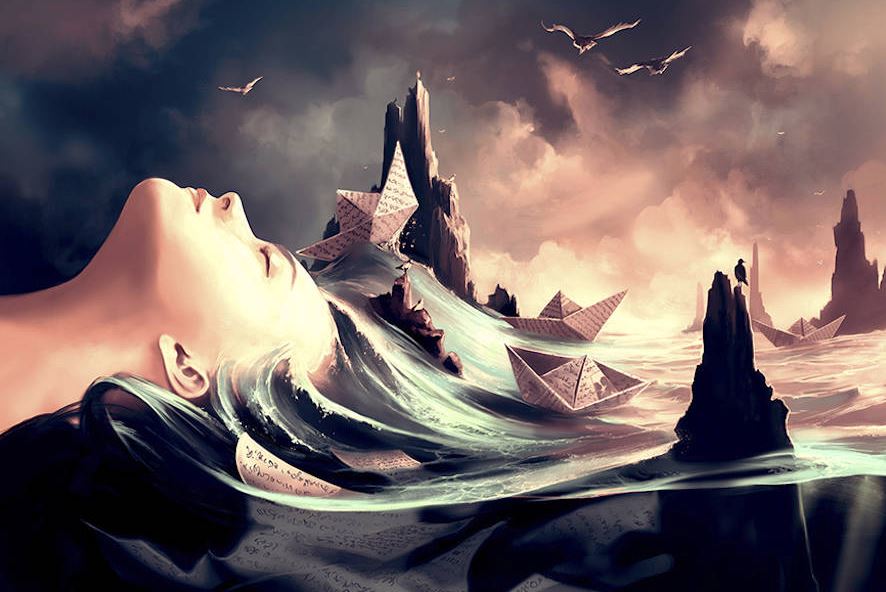
Digital art emerged in the late twentieth century as artists began experimenting with computers not only as tools but as creative partners. Early works used pixelated graphics, vector shapes, and basic programming to create images that defied traditional materials like paint or clay. What began as simple experiments in design and computer graphics quickly grew into a recognized artistic medium. By the 1990s, digital painting software, 3D modeling, and interactive installations pushed the boundaries of what could be considered art. Today, digital art spans everything from illustrations created on tablets to immersive virtual reality environments. Its rise reflects the natural evolution of artistic expression as it adapts to technological change, proving that creativity always finds new canvases.
The Language of Pixels and Code
Unlike traditional art, which depends on physical materials, digital art relies on pixels, algorithms, and data. Artists work not with brushes and chisels but with styluses, software, and code. This shift redefines both process and outcome. A painting rendered in Photoshop or Procreate allows infinite layers, adjustments, and revisions. Generative art uses algorithms to create visuals that evolve with each execution, making the process as important as the product. 3D modeling brings form to virtual sculptures, while augmented reality overlays digital creations onto physical environments. In this language of pixels and code, the artist is both creator and programmer, merging technical skill with vision. The result is art that is as much about process as it is about form.
Accessibility and Democratization of Art
One of the most transformative aspects of digital art is its accessibility. Unlike traditional mediums that require costly materials and studio space, digital tools make creation possible for a wider range of people. A tablet or smartphone can serve as a portable studio, while free or affordable software provides powerful creative options. The internet further expands access by providing platforms for artists to share their work instantly with global audiences. Social media, online galleries, and NFT marketplaces enable digital artists to find recognition and build communities outside traditional institutions. This democratization challenges long-standing hierarchies in the art world, making creativity more inclusive and collaborative.
Digital Art as Interactive and Immersive Experience
Perhaps the most distinctive feature of digital art is its ability to go beyond static images. Interactive works invite viewers to become participants, altering the art through movement, sound, or input. Installations with motion sensors respond to audience presence, transforming passive observation into active engagement. Virtual reality creates fully immersive environments where viewers can walk through and interact with artworks. Augmented reality brings digital elements into the physical world, overlaying landscapes or objects with new layers of meaning. These innovations blur the line between artist and audience, redefining the role of the viewer as co-creator of the artistic experience.
The Role of Digital Art in Contemporary Society
Digital art reflects and critiques the realities of contemporary life. It captures the speed, fragmentation, and interconnectivity of the digital age, addressing themes of identity, surveillance, consumerism, and environmental change. Memes and internet art highlight the humor and absurdity of online culture, while digital installations explore the psychological effects of constant connectivity. The flexibility of the medium allows artists to engage with issues in real time, producing works that resonate with global audiences instantly. In this way, digital art serves as both a mirror of our technological world and a commentary on its consequences, making it one of the most relevant artistic forms of the present era.
The Debate Over Authenticity and Value
As digital art has grown, debates over its authenticity and value have followed. Critics question whether works that can be infinitely copied and reproduced hold the same significance as traditional, one-of-a-kind pieces. The rise of blockchain and NFTs (non-fungible tokens) represents an attempt to address this concern by establishing digital ownership and provenance. Supporters argue that digital art should not be judged by the standards of traditional media but valued for its innovation, accessibility, and cultural resonance. These debates highlight larger questions about what defines art, what grants it value, and how creativity is recognized in an age where reproduction is effortless.
The Future of Digital Creativity
Looking ahead, digital art promises even more radical transformations. Advances in artificial intelligence are enabling works that adapt, learn, and evolve, raising questions about the role of the human artist. Bio-art merges digital and biological systems, exploring intersections between technology and living organisms. As computing power and virtual technologies grow, the line between physical and digital creativity will continue to blur. Future galleries may exist as much in the virtual as in the physical, accessible to anyone with a headset or device. Yet at its core, digital art will remain guided by the same impulse that shaped cave paintings and classical sculpture: the desire to express, to imagine, and to connect.
A New Chapter in Artistic History
Digital art is not a replacement for painting or sculpture but a continuation of humanity’s endless exploration of expression. It extends the history of art into new realms, redefining creativity through pixels, algorithms, and interactivity. It democratizes creation, expands audiences, and engages with the pressing themes of our age. While debates about authenticity and permanence continue, its vitality is undeniable. Digital art is a living testament to art’s adaptability, proving that as technology evolves, so too does imagination. It is not simply a new medium but a new chapter in artistic history, one that reflects the complexity and creativity of our digital world.